
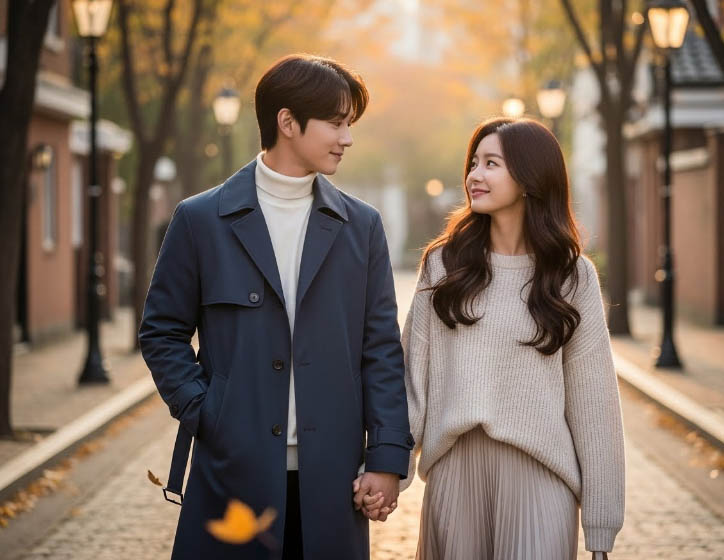
What Foreign Women Misunderstand About Korean Men
If you’re reading this, chances are you’ve been curious — maybe even puzzled — by what it’s really like to understand and date Korean men. There’s no shortage of stereotypes online, but as someone who lives in Korea and hears long, honest conversations about relationships every day, I can tell you this: many misunderstandings come from cultural assumptions, not from who Korean men actually are.
Let’s unpack the most common things foreign women often think about Korean men — and contrast them with what life really looks like here.
They Think Korean Men Are Cold or Unemotional
One of the most repeated beliefs is that Korean men are emotionally distant. This idea comes from dramas or snapshots of behavior that look “quiet” or understated compared to some Western styles.
Here’s the thing: Korean communication often values subtlety and harmony. Instead of saying “I feel this way” in a loud, direct manner, many Korean men will show care through actions:
- Remembering the little details you mentioned
- Checking in after a long day
- Planning something practical rather than poetic
Affection in Korea isn’t always loud. It’s woven into small, consistent gestures that become more obvious as trust grows.
They Assume Korean Men Are Very Traditional
Another common misunderstanding is that Korean men always hold rigid, traditional views about gender roles — like insisting on paying every time or making all decisions.
In reality, Korea is evolving. Younger generations especially value equality in relationships. Many Korean men want true partnership where:
- decisions are shared
- bills are split fairly
- roles aren’t dictated by outdated norms
Of course, some families still observe tradition, and a respectful gesture like offering to pay or opening a door can be cultural politeness rather than control. Understanding the intent behind actions matters more than the form they take.
They Think Every Korean Man Lives Like in the Dramas
If you’ve watched too many K-dramas, you might expect every Korean man to be a poetic confess-in-the-rain type who memorizes anniversaries down to the minute.
In real life, Korean men are just as ordinary as anywhere else. Some are romantic, some are practical, some are a bit awkward at expressing feelings — and most fall somewhere in between.
Real relationships are made of everyday life: laughter over shared meals, negotiating chores, chatting about travel plans, and sometimes misreading each other’s text messages.
What matters is communication, not dramatics.
They Think Korean Men Don’t Want to Talk About Feelings
Because Korean culture traditionally values harmony, some foreigners think Korean men avoid emotional conversations completely. The truth is that they might just approach emotions differently.
Many Korean men:
- Consider deeply before speaking
- Value listening over immediate response
- Express care through support rather than words
If you push too hard for emotional expressions early, it can feel uncomfortable because trust hasn’t fully developed. Encouraging safe, gentle emotional sharing works far better than expecting dramatic declarations.
They Assume All Korean Men Have the Same Family Dynamics
Family matters in Korea, and it’s easy to generalize that all Korean men live under big family pressure or have the same expectations. In reality, family influence varies widely:
- Some men are very close to their parents
- Some have independent, modern family relationships
- Some prefer private life separate from family expectations
Don’t assume every Korean man will roll his eyes at your culture or want to check with his parents before every decision. Real relationships balance family values with personal choice.
They Expect Everything to Be Controlled by Gender Norms
Some foreign women picture Korean dating as rigid hierarchy: man leads, woman follows. While this used to be a stronger cultural template, modern Korean couples often rewrite the rules.
You’ll find many relationships where:
- Both partners split bills
- Decisions are shared
- Independence is respected
- Personal goals matter equally
It’s not about Korea being “behind” — it’s about many Korean men genuinely wanting equality and respect in modern relationships.
They Think Language Barriers Mean Lack of Effort
Language differences are real in international relationships, but misunderstanding language patterns as lack of effort is a mistake.
Many Korean men:
- Try hard to learn your language
- Use translation tools carefully
- Say what they can with thoughtfulness
Language isn’t an emotional shortcut — it’s a tool. Partners who work through it together build strong bonds.
They Expect Conflicts to Be Avoided Rather Than Resolved
Korean culture often emphasizes harmony, so early conflicts might look like avoidance. But avoidance isn’t fear — it’s cultural preference for resolution at the right time and place.
Most Korean men do care about resolving issues. They just:
- Prefer calm spaces
- Think before speaking
- Value listening to understand
A gentle, respectful conversation beats heated debate in most cases.
They Assume Western Norms Apply in Korea
This one might be the biggest misunderstanding. Many foreign women assume that dating norms from their home country automatically apply in Korea. That’s a recipe for confusion.
Instead of assuming what should happen, it helps to ask:
- “What is comfortable for you?”
- “How do you show care?”
- “What are your expectations in a relationship?”
Understanding someone’s personal rhythm — not a stereotype — creates connection.
Final Thought: Korean Men Are People, Not Stereotypes
When you strip away cultural noise and look at real life, Korean men aren’t mysterious or strictly traditional. They’re individuals shaped by culture, yes — but also by their experiences, dreams, humor, and hearts.
All relationships succeed not because two people perfectly match a stereotype, but because they communicate deeply, respect each other’s worlds, and build shared rhythms together.