
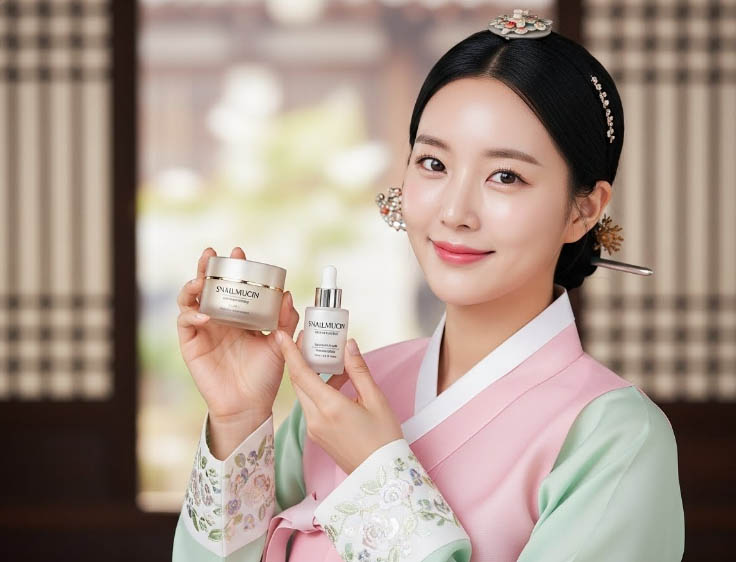
Why Snail Mucin Is So Popular in Korean Skincare
If someone had told me ten years ago that snail slime would become one of the most talked-about ingredients in beauty, I’d have laughed. Yet here we are — snail mucin (often labeled as snail secretion filtrate) is everywhere, especially in Korean skincare.
From essences to creams and serums, snail mucin has become a cult favorite around the world. But what’s the real reason behind its popularity, and why has Korean skincare embraced it so wholeheartedly? Let’s unpack this from a local perspective that goes beyond the buzz.
What Is Snail Mucin Anyway?
First off, snail mucin is exactly what it sounds like: a natural secretion produced by snails. That might initially make some people uncomfortable, but don’t be put off — this substance is rich in skin-loving components like glycoproteins, hyaluronic acid, peptides, and antioxidants. When filtered and purified for cosmetic use, it becomes a powerful yet gentle ingredient that works on multiple levels to support skin health.
Koreans often call it a multitasker because it hydrates, repairs, and supports the skin barrier all at once. This aligns perfectly with the core philosophy of Korean skincare: build healthy, resilient skin with everyday care rather than relying on harsh fix-all treatments.
Hydration That Goes Beyond Surface Moisture
One of the biggest reasons snail mucin caught on is its ability to deeply hydrate the skin. Unlike some moisturizers that simply sit on the surface, snail mucin works at a deeper level thanks to its unique blend of humectants and glycoproteins, which help skin retain moisture longer. This makes the skin look plumper, softer, and more supple over time. Think of it as a longer-lasting drink of water for your skin — and hydration is the foundation of healthy skin in Korean beauty culture.
Repair and Regeneration for Softer, Smoother Skin
Another reason snail mucin became a staple in Korean beauty is its repair-focused properties. The compounds in mucin support cell regeneration and healing, so if you’ve ever dealt with redness, minor scars, or texture irregularities, snail mucin can help encourage your skin’s natural recovery processes. Many people report smoother texture and reduced marks over time when they use products containing snail mucin consistently.
This regenerative aspect ties in with the Korean skincare approach of nurturing skin rather than beating it into submission with harsh actives. Many products combine snail mucin with soothing botanicals like centella or allantoin so that skin feels calm and balanced after use.
Gentle Anti-Aging Support
K-Beauty rarely relies on extremely strong actives without a buffer of hydration first. Snail mucin fits into this gentle approach perfectly. Its antioxidants and peptides help support collagen production and elasticity, which can reduce the appearance of fine lines and make skin look more youthful over time.
Compared to traditional Western anti-aging ingredients like retinol, snail mucin is far gentler, making it a more inviting option for people with sensitive or reactive skin who still want visible results.
Heals While It Hydrates — A Rare Combo
What really sets snail mucin apart is how it blends hydration, healing, and resilience support into one ingredient without overwhelming the skin. Many Western products focus on one benefit at a time — brightening here, hydration there — but Korean skincare often builds routines to layer multiple benefits in a way that feels balanced and supportive.
Snail mucin’s ability to lock in moisture while simultaneously helping to soothe irritation and improve texture makes it a versatile player in routines for dry skin, sensitive skin, acne-prone skin, and aging skin alike.
The “Glass Skin” and “Honey Skin” Influence
In Korea, skincare isn’t just about fixing flaws — it’s about creating a healthy canvas. Trends like glass skin and honey skin reflect a preference for hydrated, radiant, and smooth texture. Snail mucin fits right into these trends because it promotes that inner glow rather than just surface glow. Its ability to layer well with essences, serums, and moisturizers enhances the dewy, glassy finish many people around the world strive for.
You’ll often find snail mucin featured in essences — a Korean skincare category focused on hydration and nourishment — because its light texture layers beautifully without greasiness.
Gentle Enough for Daily Use
One of the practical reasons snail mucin caught on is that it’s generally gentle and well-tolerated by most skin types. Whether someone has dry, sensitive, or combo skin, snail mucin is usually comfortable enough to use regularly — morning and night if you like. This daily usability increases its appeal because you don’t need to reserve it for special occasions or risk irritation from frequent use.
That said, like any ingredient, it’s not a magical cure-all — and allergic reactions, though rare, can happen — so patch testing is still wise.
Why It Resonates With Global Skincare Fans
While snail mucin’s use in Korea isn’t brand-new, its global fame grew as international skincare fans began to understand its multi-benefit profile. Social media, beauty influencers, and glowing user reviews helped spread interest beyond Korea’s borders. Now products like COSRX’s Advanced Snail Mucin Essence have cult followings, not just because they’re Korean, but because users genuinely notice skin changes — smoother texture, better hydration, and more even tone.
Where Snail Mucin Fits in a Routine
In a typical Korean skincare routine, you’ll find snail mucin in:
- Essences and serums — for hydration and repair early in the steps
- Moisturizers — locking in moisture and strengthening the skin barrier
- Masks or ampoules — for a targeted boost when skin needs extra care
Many people layer snail mucin with ingredients like hyaluronic acid or niacinamide to build a balanced routine that addresses multiple concerns without irritation.
Final Thought From a Local Standpoint
From Korean beauty shelves to global skincare conversations, snail mucin remains more than just a quirky ingredient — it’s a versatile, gentle powerhouse that reflects the heart of Korean skincare philosophy: hydrate first, treat gently, and support the skin’s natural resilience.
Whether you’re chasing glass skin or just aiming for healthier, happier skin, snail mucin’s widespread popularity comes down to one simple truth: it works for many people without harshness — and that’s exactly what consistent skincare should be about.