
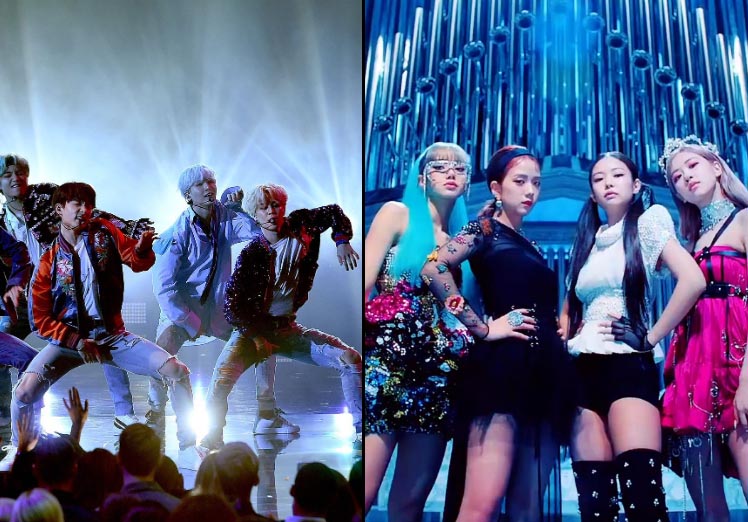
What Is the Difference Between Boy Groups and Girl Groups?
A Korean Local’s Inside Look at an Iconic K-Pop Distinction
If you’re discovering K-Pop in depth for the first time, you’ve probably noticed something — boy groups and girl groups often feel very different, even when they’re part of the same genre. At first glance, many people assume the differences are just visual: fashion, choreography, or vibe. But as someone living in Korea and watching both sides of the scene grow up together, the truth is much richer and more cultural than that.
In this article, I’ll walk you through the nuanced, fascinating differences between boy groups and girl groups — not as a fan debate, but as a cultural observer who has seen how these differences shape fan experiences, artistic expression, and even societal expectations.
1. Image and Concept: Energy and Expression
One of the first things you’ll notice about boy groups versus girl groups is the kind of energy they project.
Boy Groups
Often emphasize power, charisma, and performance intensity. Many boy groups lean into strong, athletic choreography and themes of strength and confidence. Concepts may range from “street swagger” to “fantasy warriors,” and the emotional palette often highlights boldness and resilience.
Girl Groups
While girl groups also strive for performance excellence, their concepts tend to be more varied in emotional tone. Some lean into bold confidence or fierceness, but others emphasize elegance, charm, or even quirky storytelling. The range can run from bold queen-energy to playful innocence, and many girl groups shift between these with fluidity.
The differences in conceptual focus are not set in stone, but they reflect broader stylistic traditions in how male and female energy is portrayed in Korean pop culture.
2. Choreography Styles: Movement and Meaning
Both boy and girl groups are known for tight choreography, but the movement styles often differ.
Boy group choreography
Tends to be physically powerful, with sharp, explosive movement and formations that highlight unity, impact, and athleticism. You’ll see lower stances, dynamic jumps, and synchronized patterns that communicate strength and precision.
Girl group choreography
Can be both strong and delicate — but there’s often more emphasis on fluidity, gestures, and stylistic nuance. Movements may blend elegance with punchy attitude, and transitions often carry expressive emotional cues rather than brute force.
In both cases, the choreography isn’t just dance — it’s storytelling through motion.
3. Vocal Styling and Musical Range
You’ll also notice differences in vocal arrangement and tone.
Boy groups often emphasize a robust vocal foundation — deep harmonies and powerful belts. Rap sections, lower registers, and unity in group vocals are common.
Girl groups frequently highlight versatility in vocal texture, including soft harmonies, unique timbres, and high register melodies. Some songs incorporate vocal layering that feels airy and intricate, others land heavy and bold.
These stylistic differences aren’t universal, but they reflect broader trends in how Korean producers tailor soundscapes for different expressions.
4. Fashion and Visual Identity
Visual identity in K-Pop is a major storytelling tool, and boy groups and girl groups often use fashion differently.
Boy groups might lean into sleek suits, oversized streetwear, or bold color blocking that underscores masculine energy and group cohesion.
Girl groups often blend multiple styles in a single concept — from refined tailoring to playful ensembles, sometimes even combining hyperfeminine and street elements in one visual arc.
This isn’t just aesthetics. Fashion becomes narrative — a subtle code that tells fans what emotional world the group wants to enter for that era.
5. Fan Culture and Community Behavior
Boy groups and girl groups both have passionate fanbases, but the ways fans engage can feel distinct.
Boy group fandoms sometimes emphasize support through collective activities that highlight strength, unity, and protection — fan chants that feel like cheers for warriors, group streaming projects, and massive coordinated world tour support.
Girl group fandoms often celebrate expressive interaction, including fan art, fashion interpretation, lyrical breakdowns, and an emphasis on emotional resonance and connection.
These patterns come from how each group type is socially perceived — but they intersect and overlap in exciting ways.
6. Messaging and Thematic Narratives
Songs from boy groups often revolve around themes like:
- aspiration
- determination
- overcoming obstacles
- teamwork and solidarity
Meanwhile, girl group songs may focus on:
- personal confidence
- emotional nuance
- social independence
- spectrum of romantic expression
Again, there are plenty of exceptions, but these reflect long-term patterns in storytelling and lyrical focus.
7. Cultural Context Matters
In Korea, traditional ideas about gender have shaped how entertainment markets express male and female identities. K-Pop borrows, adapts, and sometimes challenges these norms, but traces of cultural expectations remain:
Boy groups may project endurance and group strength because Korean society has historically valued collective reliability in men.
Girl groups may emphasize emotional intelligence and expressive range, connecting with both feminine strength and artistic depth.
Of course, modern K-Pop continually blends and transcends these traditions, which is one reason the global audience finds it so electrifying.
8. Performance Stages: Ritual and Spectacle
Live performance in K-Pop isn’t just about music — it’s ritual theater. Boy group stages often feel like battles or processions, with tight formations and dramatic transitions. Girl group stages might feel like evolving scenes, blending choreography with expressive movement and dynamic visual storytelling.
Both use lighting, costume, and camera work as essential parts of the performance — but the emotional architecture of those performances often varies.
9. Collaboration and Genre Blending
Interestingly, both boy and girl groups are increasingly breaking out of traditional molds. Some boy groups explore soft pop ballads, and some girl groups adopt intense hip-hop or rock aesthetics.
This genre blending shows that the lines between the two are not rigid — they are creative playgrounds where artists and producers experiment with identity, sound, and expression.
10. So What Really Sets Them Apart?
If I had to summarize, I would say:
- Boy groups emphasize impact and collective strength
- Girl groups emphasize expressive nuance and stylistic flexibility
- Both use performance, visuals, and narrative to build emotional worlds
- Both redefine what pop music can represent
The differences are not better or worse. They are different flavors of artistic expression that, when paired together, make K-Pop such a rich and diverse global genre.