
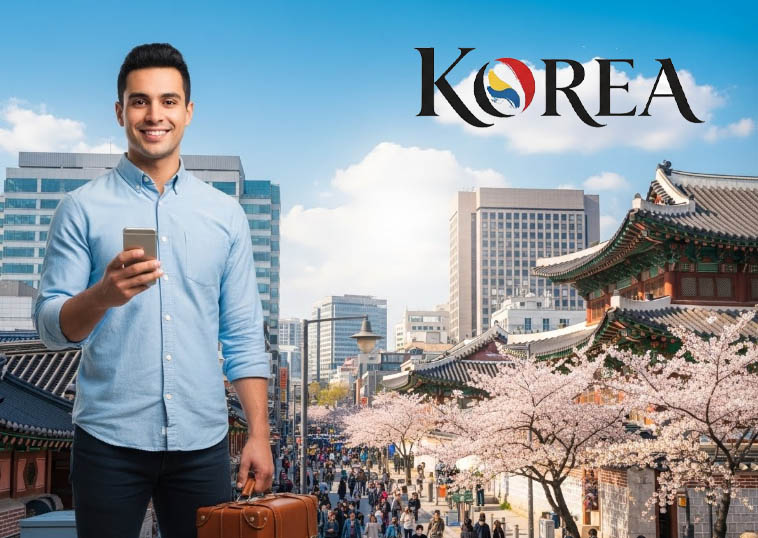
Things Indians Should Know Before Visiting Korea
1. Korea Is Safe, But Policies Matter
As a local, one of the first things I tell visitors is that Korea is generally very safe. Walking alone at night, using public transportation, and exploring cities without fear are part of everyday life here.
However, safety doesn’t mean there aren’t rules. Public places have clear expectations — for instance, talking loudly on subways or blocking walkways with luggage can draw disapproving looks. These unwritten norms matter in daily interactions.
Before you arrive:
- Check your visa requirements
- Understand quarantine or health policies (if relevant)
- Register with your embassy, especially for longer stays
Being informed makes your trip smoother and less stressful.
2. Warm Weather or Cold Winters — Pack Smart
Korea experiences four distinct seasons, and each one feels very different:
- Winter (December–February) can be bitterly cold, especially in northern regions like Seoul. Snow is possible, and temperatures often dip below zero.
- Summer (June–August) brings humidity and occasional monsoon rain. Light clothes plus a waterproof jacket are smart choices.
- Spring and autumn are my favorites — colorful and mild, perfect for walking tours, temples, and outdoor markets.
Check the forecast for your travel dates. What might feel like a mild day in India can feel much colder or wetter in Korea.
3. Transportation Is Efficient — Learn the Basics First
One of Korea’s best features for travelers is its transportation system.
You’ll find:
- Subways in every major city with clear signage
- Intercity trains (KTX) connecting Seoul, Busan, Daegu, and more
- Buses serving rural areas reliably
T-money cards (transport passes) are essential. Buy one at a convenience store and top it up — it works on subways, buses, and even taxis.
Tip: Korean station announcements are in Korean and English, but maps and signs are mostly in both languages. Still, download apps like Naver Map and Kakao T for smoother navigation.
4. Language — Make an Effort, and People Notice
Korean isn’t easy. But travelers who learn basic phrases like 안녕하세요 (Hello), 감사합니다 (Thank you), and 화장실 어디예요? (Where is the bathroom?) instantly make life easier.
In bigger cities, English signage is common. In smaller towns, it’s less so. Even if your pronunciation isn’t perfect, Koreans appreciate the effort. Politeness goes a long way here.
5. Food Culture — Exciting but Sometimes Spicy
Korean food is one of the main reasons Indians visit, and rightly so. The food is bold, varied, and rich in flavor — but there are a few things to know:
- Spice levels can be high, especially with kimchi and stews.
- Vegetarian options exist, but they’re easier to find in cities.
- Street food is delicious, but always check ingredients if you have dietary restrictions.
Indians who miss home flavors often find fusion cafés, Indian restaurants, and food delivery services in Seoul and Busan. Planning meals a bit ahead makes dietary comfort easier.
6. Cultural Norms — Respect Goes a Long Way
Koreans value respect, manners, and social harmony.
Here’s what I notice when Indians visit:
- Greetings matter: A polite bow or respectful greeting sets a positive tone.
- Shoes: Be ready to remove them in traditional spaces, some homes, and temples.
- Personal space: Koreans speak softly and avoid loud conversations in public transport.
- Queuing: Lines form everywhere, and people wait their turn respectfully.
These might seem small, but foreign visitors who follow them stand out — in a good way.
7. Shopping and Tax Refunds
Tourist shopping in Korea is famous for:
- Beauty products
- Electronics
- Local brands and fashion
Important tip: Many duty-free shops offer tax refunds for international visitors. Keep your passport and receipts handy, and claim refunds before departure.
8. Connectivity — Staying Online Is Easy
Unlike some countries where SIM cards are complicated, Korea makes connectivity effortless. At the airport, you’ll find:
- Tourist SIM cards
- Portable Wi-Fi devices
- Easy recharge options
Staying online helps with navigation, translation, and daily planning.
9. Social Etiquette During Meals
Eating in Korea is fun, but some norms exist:
- Koreans tend to share dishes at the table.
- Don’t start eating before elders.
- Pour drinks for others, not yourself.
- Use both hands when receiving something from a senior.
These rules aren’t strict punishments; they’re signs of respect and belonging.
10. Cash vs. Card — Card Is King
Korea is increasingly a card-first society. Credit and debit cards work everywhere — taxis, street food vendors, markets, and even some parks.
Still, having a small amount of cash is helpful for tiny stalls and remote areas.
11. Tipping Is Not Expected
Unlike India or Western countries, tipping isn’t customary in Korea. Good service is part of the experience, and workers aren’t expected to receive extra money.
If you insist on tipping, it may be gently refused — not because you’re rude, but because the idea isn’t deeply rooted here.
12. Explore Beyond Cities — Korea Has Hidden Gems
Seoul and Busan are great, but:
- Jeonju has one of Korea’s best traditional food scenes.
- Gyeongju feels like a museum city with ancient history everywhere.
- Gangneung offers coastal beauty and coffee culture.
- Andong preserves Confucian heritage beautifully.
If time allows, explore beyond big cities — you’ll discover a Korea most tourists miss.
Final Thoughts from a Korean Local
From street food markets to serene temples, from efficient subways to welcoming neighborhoods — Korea has so much to offer Indian travelers. But the secret to a truly meaningful trip isn’t just sampling the highlights. It’s about understanding how daily life works here: respect for others, enjoyment of simple pleasures, and appreciation of tradition fused with modernity.
If you come prepared — mentally, culturally, and practically — Korea doesn’t just feel like a destination. It feels like a place you can understand, enjoy, and remember long after you return home.
Welcome to Korea — the more you learn, the more you’ll fall in love with it.