
Should I Buy a Korea Rail Pass (KR Pass)?
A Korean Local’s Honest Guide to Navigating Intercity Trains
If you’re planning a trip to South Korea that goes beyond Seoul, you’ve probably come across the Korea Rail Pass (KR Pass). As someone who lives here and watches visitors explore every corner of this country, I can tell you right away: the KR Pass can be a brilliant deal — but not always for everyone. In this guide, I’ll break down how it works, who it’s best for, when to skip it, and how to get the most value from it — all from a practical local’s perspective.
What Is the Korea Rail Pass (KR Pass)?
The KR Pass is a discounted rail pass offered to non-Korean passport holders. It allows unlimited travel on most Korail trains, including:
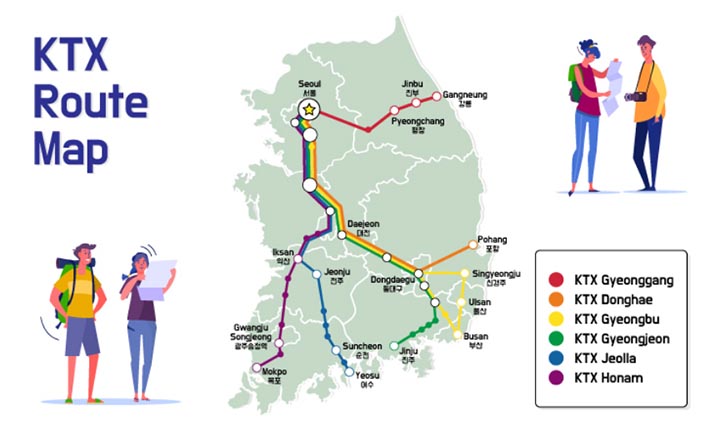
- KTX high-speed trains
- ITX and Mugunghwa trains
- Certain regional trains
Basically, it’s like a rail “all-you-can-ride” card for your chosen travel days. You buy it before arrival, activate it here in Korea, and ride away.
How KR Pass Works: Basic Rules
- Eligibility: Must be a foreign passport holder (tourist visa, ESTA, etc.)
- Duration options: Typically 3, 5, 7, or 10 consecutive travel days
- Activation: You can choose the first date you want it to count
- Seat reservations: Free with the pass (usually required for KTX)
Once it’s activated, you can jump on most Korail trains that day without buying separate tickets.
Key Benefit: Unlimited Convenience
Korea is small by global standards, but distances add up fast:
- Seoul → Busan: ~2.5–3 hours by KTX
- Seoul → Gyeongju: ~2.5 hours
- Seoul → Jeonju: ~2–3 hours
If you’re planning multiple long-distance hops, the KR Pass can save money and save time because you won’t be pulling out your card for every single ticket.
And if you’re the sort of person who likes to book seats on the go, being able to make as many seat reservations as you want during your pass period is a huge convenience.
When the KR Pass Is Worth It
1. You’re Spending Most of Your Trip Traveling Between Cities
If your itinerary looks like:
- Seoul → Gyeongju → Busan → Jeonju → Seoul
…and all within your chosen pass days, then the KR Pass is almost always worth it.
Let’s say you had a 5-day pass and you planned three long rides — you’d likely break even or save compared to buying individual tickets.
2. You Like Flexibility
Some travelers don’t lock in all their travel dates before arriving. A KR Pass lets you:
- Reserve a seat for free (KTX bookings still needed)
- Change plans with less worry about individual ticket costs
- Split your travel days any way you want within the pass period
3. You’re Traveling With Others
Families or groups can really benefit. With individual tickets, costs multiply quickly — but with a KR Pass, everyone’s travel is bundled.
When You May Not Need the KR Pass
1. Your Trip Is Mostly in One City
If you’re:
- Staying mostly in Seoul
- Taking a couple of short day trips
- Using buses or local transport
…then buying single KTX or train tickets is often cheaper than a rail pass.
2. Your Travel Is Slow and Local
If your focus is local experiences — like:
- Staying in Busan’s beaches
- Spending long blocks in Seoul neighborhoods
- Taking slow scenic trains instead of KTX
…then a KR Pass might overpay for rail you don’t use.
3. Your Trip Is Short (2–4 Days)
If you only have a few days and just one or two train journeys (for example, Seoul → Jeju via ferry/bus, or Seoul ↔ Suwon), then it may not save you money.
How to Compare Costs Easily
Here’s a simple way to compare:
- List out all the long-distance legs you plan to take
- Look up individual KTX (or other train) ticket prices
- Add them up
- Compare with the cost of the KR Pass for the same number of days
If your total train spend comes close to or beyond the KR Pass price, then the pass is probably your winning ticket.
Example Cost Comparison (Rough)
- Seoul → Busan (one way): ~60–70 USD
- Busan → Gyeongju (one way): ~15–25 USD
- Gyeongju → Seoul (one way): ~50–60 USD
Individually, these can approach or exceed what a 5-day KR Pass might cost — and that’s before you factor on return tickets or extra hops.
Of course prices fluctuate with season and seat type, so this is why step #1 (list your legs) matters.
KR Pass Seat Reservations: Free, But Reserved
Even with a KR Pass, you still reserve seats for KTX and some intercity trains. Good news? Seat reservations are free with the pass.
Just remember:
- Popular routes sell out on weekends/holidays
- Schedule your reservations early
- You can do it online or at the station
For many visitors, this is a big perk because it adds peace of mind.
Where KR Pass Shines Locally
1. Multi-City Cultural Routes
If you want to see:
- Seoul’s palaces
- Gyeongju’s historic sites
- Busan’s coastline
- Jeonju’s hanok village
…the KR Pass takes care of the miles while you enjoy the moments.
2. Scenic Train Options
Besides KTX, you can use:
- ITX trains (slightly slower but still fast)
- Mugunghwa trains (local and scenic)
A KR Pass makes hopping on these without extra ticket purchases easy.
How to Buy and Activate Your KR Pass
Before You Arrive
- Buy online from the official KR Pass site
- Choose your pass duration
You’ll get a voucher or e-ticket that you bring to Korea.
After You Arrive
- Visit a Korail station counter
- Show your passport
- Activate your pass starting from your chosen date
Once activated, it counts consecutively, so plan your travel days wisely.
Going Beyond the Pass: Tips from a Local
Use KTX for Speed, Trains for Scenic Days
If you love relaxed travel days, choose slower trains (ITX/Mugunghwa) on your pass days too — it stretches your pass value.
Pair Rail with Bus or Flight Deals
Some destinations (like Jeju) are better accessed via ferry or flight, so don’t feel pressured to use trains everywhere.
Plan Early for Peak Seasons
Spring cherry blossoms and autumn foliage mean rail seats fill fast — even for pass holders.
Final Local Verdict: Should You Buy a KR Pass?
Yes — if:
- You’re visiting multiple cities
- You want flexibility and ease
- You plan long-distance travel (Seoul ↔ Busan, etc.)
Maybe skip it if:
- Your itinerary centers on one place
- You travel slowly and locally
- You have only a few train legs
The KR Pass isn’t a one-size-fits-all ticket, but for most classic Korea itineraries — especially adventurous, multi-city ones — it’s a very smart travel investment.