Multicultural Parenting in Korea: What Really Matters
What ‘Multicultural Parenting’ Really Means Here
In almost every Western context you hear about multicultural parenting as a familiar concept — families navigating multiple cultures, languages, and identities. In Korea, that idea is newer to many people, but it’s becoming more relevant every year.
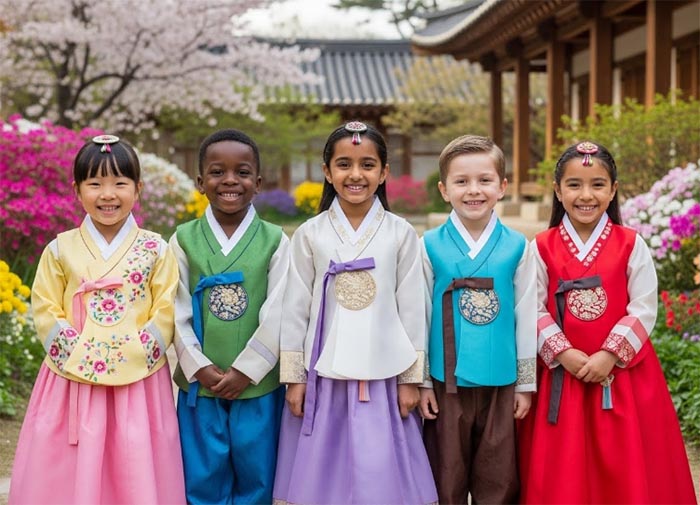
Multicultural parenting here generally refers to the experience of raising children in families where at least one parent comes from a different cultural, ethnic, or national background. Here in Korea, that most often means a Korean parent and a parent from abroad — but it also includes families where both parents are foreign residents raising kids in Korean society. The rise in multicultural births isn’t just a statistic on a chart — it’s visible in neighborhoods, classrooms, and playgrounds across the country.
Why This Is Becoming Part of the Conversation
In 2024, Korea saw a significant increase in births in multicultural families — over 13,000, or about 5.6 % of all births, which was the highest share in years. That reflected not just a return to pre-pandemic trends in international marriages but a broader acceptance of diverse families in everyday life.
For many Korean parents, this is new territory. Until recently, Korea was often described as a homogeneous society. That’s changing as families become more diverse and children with mixed cultural backgrounds become more common in schools and communities.
Key Issues That Truly Matter in Multicultural Parenting
1. Language and Identity
One of the biggest challenges for many multicultural families is language development — especially when children juggle multiple languages at home, school, and in public spaces. Parents often want their kids to grow up fluent in both Korean and a second language. That’s not only practical for daily communication but also deeply connected to identity and confidence.
Korean government and community centers offer language development support and bilingual family programs to help parents and children thrive together.
But it’s more than words — it’s about how children see themselves. Growing up with more than one culture can be a beautiful advantage, but it also means parents need to help their kids understand who they are and how they belong in a society that’s still learning to see diversity as normal.
2. Schooling and Peer Dynamics
Educational opportunities matter deeply here because much of daily life — especially in cities — revolves around academic expectations. Kids from multicultural backgrounds may face different challenges at school, from language barriers to how teachers and classmates perceive them.
Some families choose bilingual international schools; others stay within the Korean public school system. Either way, many parents focus on helping their children feel confident and included. Unfortunately, studies and reports in the past have pointed out that children in multicultural families sometimes struggled with social integration or identity issues in school settings, although recent awareness and support are improving.
3. Raising Confident Kids in a Changing Society
As Korea adapts socially, children today are growing up in more diverse classrooms and communities than ever before. That’s positive — but it doesn’t mean the journey is always smooth. A child’s sense of belonging is shaped by how parents and educators talk about cultural diversity, how classmates respond, and how confidently a child moves between cultural worlds.
Parents often find themselves acting as both nurturers and cultural translators — helping their kids understand Korean social norms while also honoring the traditions and values from the parent’s home country.
Support Systems That Make a Difference
Raising multicultural children in Korea isn’t just about effort at home — there are real support structures in place:
Multicultural Family Support Centers: These centers provide programs for language development, parenting education, child-parent interaction coaching, and social skills workshops.
Community Programs: Local community centers often host cultural exchange events, parent support groups, and activities that promote cross-cultural understanding.
Government Services: Korean local governments collaborate with centers to offer classes, counseling, and services tailored to families with international backgrounds.
These services aren’t perfect, and every family’s experience is unique — but they represent strong efforts to help parents and children build confidence, communication skills, and connections.
Everyday Life as a Multicultural Family in Korea
From my own perspective as someone who lives here, the reality is both ordinary and extraordinary. You see children from multicultural families playing soccer in parks, joining school clubs with classmates from every background, and hosting playdates where Korean, Vietnamese, Filipino, English, and other languages mix as naturally as snacks on the table.
For some families, baking rice cakes and chatting about weekend soccer becomes a way to blend traditions. For others, juggling homework, Korean classes, and cultural celebrations becomes part of family rhythms that make everyday life rich and layered.
Yes, there are challenges — from peer questions that feel clumsy to paperwork that only comes in Korean — but most parents will tell you that the joys outweigh the difficulties.
Tips for Parents and Caregivers
Whether you’re considering moving to Korea with your family, already living here, or simply curious, here are some practical takeaways:
Encourage language diversity: Make space for multiple languages at home. Kids benefit from both language roots and social fluency.
Connect with local networks: Parent groups and cultural exchange communities make daily life more rewarding and supportive.
Talk openly about identity: Helping children celebrate their unique backgrounds builds resilience and confidence.
Use community resources: Local multicultural support centers offer free and low-cost programs that are genuinely helpful.
Why This Matters for Korea’s Future
Multicultural parenting isn’t just a trend — it’s part of Korea’s broader evolution. With an aging population and low birth rate, families with international roots are contributing to vibrant, living communities where culture isn’t a static idea but a lived experience.
Korea is still working through growing pains — as every society does — but multicultural families are a beautiful part of the story. They remind us that raising children is always about love, learning, and the courage to help the next generation thrive in a world that is wonderfully diverse.
And in the end, that’s what really matters.