
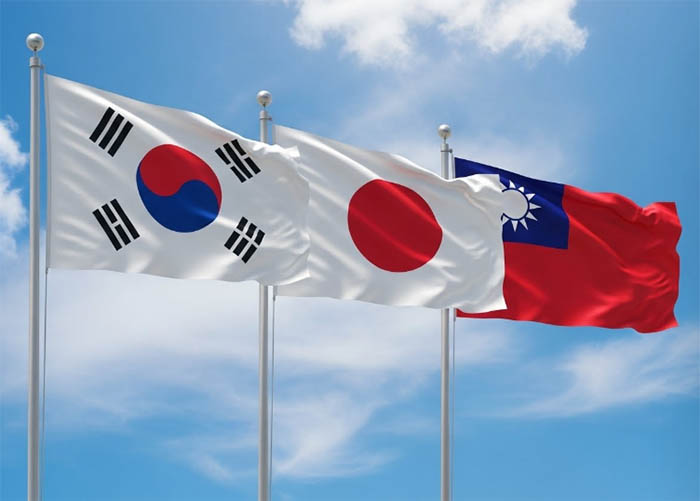
Comparison: Korean Manufacturing Salary vs Japan and Taiwan
When people think about working in manufacturing in East Asia, Korea, Japan, and Taiwan often come up together in conversation. These three economies have deep industrial histories, global market connections, and large manufacturing workforces — but how do their salaries compare, especially if you’re thinking about living and working in one of these countries? Let’s explore this from a Korean local’s perspective, using recent wage comparisons and real data.
Overall, data shows that Korean manufacturing wages are higher overall than those in both Japan and Taiwan, but each country has a unique context that shapes how these pay levels affect workers’ quality of life.
Annual Average Manufacturing Wage Comparison
According to a recent international comparison report, when wages are adjusted for purchasing power parity (PPP) — a method that accounts for cost of living differences — Korean manufacturing workers earn more than their counterparts in Japan and Taiwan.
In PPP-adjusted terms:
- South Korea’s average manufacturing wage was about 67,491 USD per year,
- Japan’s was around 52,802 USD,
- Taiwan’s was about 57,664 USD.
This means Korean manufacturing wages were about 28% higher than Japan’s and around 26% higher than Taiwan’s in similar sectors.
When comparing raw market exchange figures, the gap can shift depending on currency movements, but the trend of Korean wages being higher still holds in many measures.
So from a pure salary perspective, a factory or production worker in Korea tends to start with a higher baseline income than someone in similar roles in Japan or Taiwan — after accounting for cost of living differences.
What PPP Really Tells Us
Purchasing Power Parity (PPP) is key in international wage comparisons. Instead of just looking at how many dollars a worker earns, PPP asks: how much can that worker actually buy with their income in their own country? This matters because living costs — housing, food, transportation — differ significantly across East Asia.
In simpler terms:
- 67,000 USD in Korea PPP might stretch similarly to 52,000 USD in Japan PPP or 57,000 USD in Taiwan PPP — reflecting real living costs rather than nominal exchange rates.
That’s why Koreans reading international comparisons often nod when they see high PPP figures: they reflect what workers can actually afford in day-to-day life — not just headline numbers.
Why Korean Wages Have Caught Up and Surpassed
Historically, Japan was the manufacturing leader in Asia, especially during the late 20th century. Korea’s rapid industrialization later on meant wage growth was steep as the country climbed up the value chain — from textiles to electronics and automobiles.
In the early 2010s, Japanese manufacturing wages were generally higher than Korean ones. But over the last decade, Korean wages grew faster — thanks in part to strong union actions, tight labor markets, and industrial upgrading — while Japanese wages grew more slowly.
Taiwan has also seen wage growth, but more moderately. And although Taiwan’s overall GDP per capita is increasing, its wage levels, especially outside high-tech hubs, tend to lag those of Korea in manufacturing when wage totals are compared directly.
Daily Life: What Salaries Mean for Workers
It’s one thing to see PPP-adjusted numbers; it’s another to imagine life on the ground.
In Korea:
- Factory and manufacturing workers may earn a higher relative wage,
- Many receive overtime opportunities and company allowances,
- Worker protections and benefits such as national health insurance and unemployment insurance are standard.
In Japan:
- Manufacturing wages are solid but tend to grow more slowly over time,
- Seniority and long tenure often influence pay more than rapid wage hikes.
In Taiwan:
- High-tech manufacturing (like semiconductors) pays very well, but
- Traditional manufacturing wages can be lower than in Korea or Japan — particularly outside major industrial clusters.
These differences matter if you’re planning to move for work or comparing where you might get the best balanced lifestyle and take-home pay.
Beyond Paychecks: Cost of Living Differences
Higher wages don’t automatically mean better living conditions everywhere. Cost of living — from rent to transport — varies. For example, Seoul is expensive by regional standards, just as Tokyo often ranks as one of the world’s priciest cities. Meanwhile, many Taiwanese cities offer slightly lower living costs but correspondingly lower wage bases in non-high-tech sectors.
That’s why PPP matters: it tries to level the playing field by factoring in living costs alongside wage figures. So in lived experience, a worker in Korea earning a higher PPP-adjusted wage might feel comparable comfort to a worker in Japan or Taiwan earning slightly less in nominal terms.
Trends and Future Outlook
Looking at recent trends, Korean manufacturing wages have been rising faster than in Japan and Taiwan. However, this also raises longer-term questions about competitiveness and productivity. Some Korean economists point out that if productivity doesn’t keep pace with wage growth, sustainability becomes a concern.
Japan and Taiwan face their own challenges: slowing wage growth and demographic shifts, respectively, which influence manufacturing labor costs and labor supply.
A Local’s Final Word
From a Korean perspective, it’s interesting to see how wages have shifted over time. Not long ago, Japan’s factories were seen as the gold standard in pay and stability. Today, Korean manufacturing wages — at least on average — sit above Japan and Taiwan when adjusted for real cost of living and purchasing power.
If you’re thinking about working abroad in manufacturing, or simply comparing economic opportunities across East Asia, these wage comparisons are a valuable starting point. They show not just where money is higher, but where your money might go further — and that’s what really counts when you’re living and working far from home.